

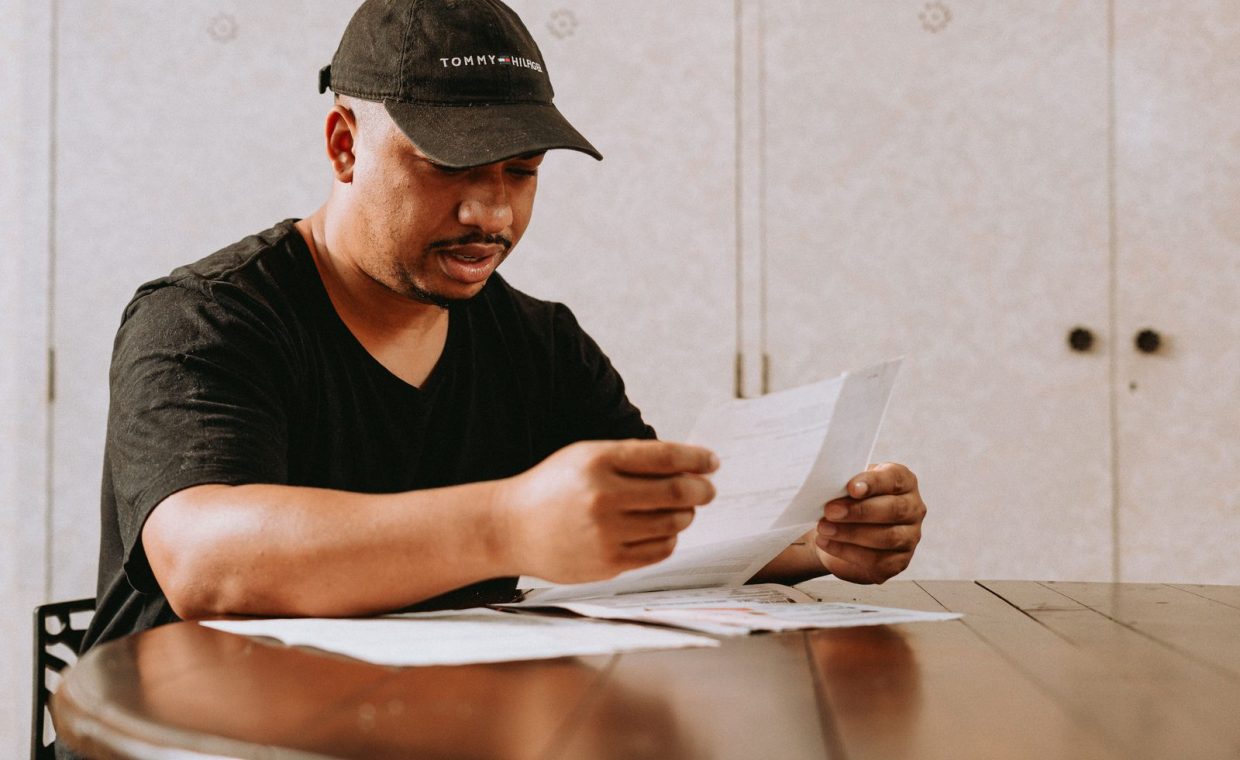
The email landed at 4:47 on a Tuesday. "Result: Did not pass. Score: 692. Passing score: 700." I remember staring at that eight-point gap and feeling weirdly insulted, like the test had let me get close just to make a point. I had studied. I had a stack of notes. And I still missed.
What stung more than the fail was realizing I had no idea what I had done wrong. The score report gave me a few vague domain percentages and nothing else. So I did the thing I should have done before the first attempt: I treated the failure like a debugging session.
Most people who fail a certification exam do not fail because they are not smart enough. They fail because of a handful of repeatable, fixable mistakes. Below are the ones I see most often, named plainly, with the fix that actually moved the needle for me and for people I have coached through retakes.
Treating the score report like bad news instead of a map
The first instinct after a fail is to close the laptop and feel sorry for yourself. I get it. But that score report is the most honest feedback you will ever get about your weak spots, and most people never read it twice.
Vendors usually break your result down by domain or objective. If you scored strong on networking and weak on security, that is not a vibe, that is a study plan handed to you for free.
Write down each domain and your rough performance band while the questions are still fresh in your memory. Note which topics felt like guesses. That list is the skeleton of your retake plan.
The fix is simple but unglamorous. Rank your domains worst to best, then spend roughly 70 percent of your remaining study time on the bottom third. Reviewing what you already know feels productive and changes nothing.
Confusing "I read it" with "I can do it"
This is the big one. I had read my study guide cover to cover and highlighted half of it in yellow. I felt prepared. The problem is that recognizing a correct answer when you see it is a completely different skill from producing it under pressure.
Passive review (re-reading, re-watching videos, nodding along) creates a comfortable illusion of competence. Then the exam asks you to configure something or pick between four answers that all look plausible, and the illusion evaporates.
The fix is active recall. Close the book and explain the concept out loud, or write the command from memory, or draw the diagram on a blank page. If you cannot reproduce it without prompts, you do not know it yet.
This is the same muscle people build when they teach themselves hands-on skills. When I watched a friend teach herself graphic design without a course, the breakthrough was not the tutorials, it was the hours she spent recreating designs from scratch. Certs reward the same do-it-from-memory practice.
Studying everything equally instead of what the exam weights
Every serious certification publishes an exam objectives document, and it usually tells you the percentage weight of each domain. People skip it and study whatever feels interesting that day.
That is how you end up an expert in a topic worth 8 percent of the exam and shaky on the domain worth 25 percent. The exam does not care how deep you went somewhere it barely tests.
Print the official objectives. Put a confidence score from 1 to 5 next to every single line item. Your study time should follow the math: high weight plus low confidence equals top priority.
If you are not sure which credential is even worth the effort before you commit to a retake, it is worth stepping back and checking which IT certifications actually carry weight with employers. There is no point grinding a second attempt for a badge nobody hiring you cares about.
Skipping practice exams under real conditions
I had done practice questions, but I did them in five-minute bursts on my phone, pausing to look things up. The real exam is 90 uninterrupted minutes with no lifeline. Those are not the same event.
The fix is to simulate the actual test at least twice before your retake. Sit down, set a timer for the full length, no notes, no phone, no bathroom break unless the real exam allows it. You are training your stamina and your pacing, not just your knowledge.
Here is what a full simulated session exposes that flashcards never will.
| What it reveals | Why it matters on test day |
|---|---|
| Time per question | You learn whether you are rushing or stalling before it counts |
| Mental fatigue point | Most people fade around question 50, so you can train past it |
| Topics you avoid | The questions you dread are your real gaps in disguise |
| Reading mistakes | Misreading "NOT" or "BEST" answers costs more points than ignorance |
Aim for a comfortable margin above passing on two separate practice exams before you book. Scraping a pass on a practice test usually means a fail on the real one, because nerves cost you a few points.
Booking the retake too soon (or too late)
Emotion drives this one in both directions. Some people rebook the next morning out of pride and walk in just as unprepared. Others let the fail fester for six months until they have forgotten everything and are starting over.
Most vendors enforce a waiting period after a fail, often around 14 days for the first retake, longer for repeated attempts. Use that window deliberately rather than waiting for motivation to magically return.
Check your vendor's retake policy before you assume anything. Some charge full price again, some offer a discounted voucher, and the mandatory wait can stretch with each failed attempt. Plan the date around your study schedule, not your feelings.
My rule of thumb: book the retake for the first date where you can realistically hit your two clean practice-exam passes. Having a date on the calendar turns a vague intention into a deadline.
Ignoring the exam-day mechanics that quietly sink you
Plenty of people fail twice on knowledge they actually have, because of logistics. Online proctoring rejected their ID. Their room "failed" the camera scan. They blanked because they were running on three hours of sleep and a panic energy drink.
The fix is to rehearse the boring stuff. If you are testing at home, do the full system check days early, clear your desk to the proctor's rules, and know exactly what ID you need. If you are going to a center, drive there once so the morning is muscle memory.
For specific exams, the community knows the traps. Before a retake on an entry-level cert, I leaned hard on detailed walkthroughs like this guide to passing the CompTIA A Plus exam, which spell out the question styles and the performance-based simulations that catch first-timers off guard. Knowing the format is half the battle.
Stop studying by early evening. Cramming new material the night before tends to scramble what you already know and wreck your sleep. A rested brain recalls more than a stuffed, exhausted one.
Studying the same way that failed you the first time
If your method did not work, repeating it louder will not save you. Yet most people just re-read the same guide and hope for a better dice roll. The definition of a smarter second try is a different process, not more hours of the same one.
Mix your sources. If you learned from one video course, add a question bank from a different author. Different explanations of the same concept fill the gaps each one leaves, and seeing a topic from two angles is how it finally clicks.
Then track it. I keep a simple log: date, topic, practice score, and one sentence on what confused me. Watching the confusion entries shrink week over week is the only proof I trust that the second attempt will land differently.
Read your score report twice and rank domains worst to best. Replace passive re-reading with active recall. Study by the official objective weights, not by interest. Run two full timed practice exams with margin to spare. Book the retake to a real deadline. Rehearse the exam-day logistics. And change at least one thing about how you study.
How long should I wait before retaking a failed certification exam?
Long enough to fix your weak domains, short enough that you do not forget the strong ones. For most people that is two to four weeks. Respect your vendor's mandatory waiting period, then set the date to when you can pass two full practice exams with margin, not to when you feel emotionally ready.
Does failing an exam show up on my record or hurt my career?
No. Vendors do not report individual attempts to employers, and your certification simply shows as earned once you pass. Hiring managers see the credential, not the number of tries. The only person keeping score of the fail is you.
Should I switch study materials completely for the retake?
Not completely, but add at least one new source. Keep what worked and supplement the domains you bombed with a different author's explanation and a fresh question bank. Seeing a tough concept framed two different ways is often what makes it stick the second time.
A failed exam is expensive in money, time, and pride, so it is worth squeezing every lesson out of it. The good news is that a second attempt starts with something the first one never had: real data about where you stand. Read the report, change one thing about how you study, and book the date. I passed on my retake with room to spare, and the eight-point gap that once felt insulting turned into the most useful feedback I ever got. You have got this.