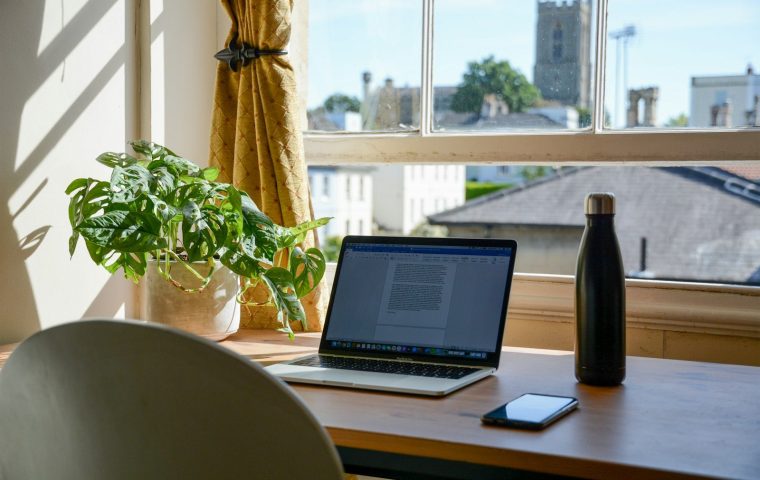


My roommate Dani used to sit at her desk with three highlighters, a fresh notebook, and a candle lit "for focus." Forty minutes later she had reorganized her playlist, texted two people back, and read exactly zero pages of her biology chapter. The desk looked productive. Nothing was happening.
If that scene feels personal, you are not lazy and you are not broken. Procrastination is usually your brain dodging a task that feels too big, too fuzzy, or too scary to start. The fix is almost never more discipline. It is shrinking the first step until it is laughably easy.
I am going to walk you through that, step by step, with the kind of small moves that actually move you. No motivational posters. Just do this, then that.
Name the exact task, not the vague monster
"Study for the exam" is not a task. It is a fog. Your brain cannot start a fog, so it stalls.
Replace it with something specific enough to picture: "Read pages 40 to 48 and write three questions about them." That sentence has a beginning and an end. You can see yourself finishing it.
Write tomorrow's task as if you were leaving instructions for a slightly tired friend. If they could do it without asking you a single follow-up question, it is specific enough.
One mistake I made for years was writing to-do items so broad they renewed themselves forever. "Work on essay" can live on a list for two weeks. "Draft the opening paragraph" gets crossed off in twenty minutes.
Make the first action absurdly small
The hardest part of studying is the transition into it, not the studying itself. So make the entry point tiny enough that refusing it feels silly.
Do not commit to an hour. Commit to opening the textbook and reading one paragraph. That is the whole goal. If you stop after one paragraph, you technically succeeded, which keeps the next attempt from feeling like failure.
Here is the quiet secret: you almost never stop at one paragraph. Starting is the friction. Once you are moving, momentum does a lot of the work for you.
If a study task takes under two minutes to begin (open the file, write the heading, solve one problem), do it right now instead of scheduling it. Beginning is the win you are after.
Shrink the time, not just the task
A blank afternoon of "studying" is intimidating. A single 25-minute block is not. This is the core idea behind timed work sessions, and it works because your brain will tolerate almost anything if it knows there is a finish line close by.
Set a timer for 25 minutes. Work only on your one named task. When it rings, you are allowed to walk away guilt-free, though you usually will not want to.
If you are deciding how to structure longer sessions, it is worth understanding how short timed sprints compare with longer deep-focus blocks, because the right rhythm depends on the subject and your attention span that day. Math problem sets and essay drafting do not always want the same clock.
Remove the three things pulling you away
You do not have a willpower problem. You have an environment problem. Willpower loses to a buzzing phone roughly every time.
Before you start, do a quick sweep. Most of us are derailed by the same small handful of culprits, so handle them before they handle you.
| Distraction | The 30-second fix |
|---|---|
| Phone notifications | Phone in another room, on silent, screen down |
| Open browser tabs | Close everything except what the task needs |
| "I'll just check one thing" | Write the thing on a scrap of paper to do later |
| Hunger or thirst | Water and a snack within arm's reach before you start |
That last row matters more than it sounds. A surprising number of "I can't focus" moments are really "I am hungry and have not noticed yet."
Use a starting ritual so your brain knows it is time
Athletes have warmups. You can too. A tiny, repeatable routine tells your brain that study mode is beginning, which lowers the resistance.
Mine is boring on purpose: fill my water bottle, put on the same instrumental playlist, write the date and my one task at the top of the page. Three small actions, done in the same order, and I am usually working before I have time to argue with myself.
A ritual is supposed to take under five minutes. If your "warmup" involves color-coding notes or making a perfect playlist, that is procrastination wearing a productive costume. Keep it short and dumb.
Build a system that survives a bad day
Motivation is weather. It changes constantly and you cannot schedule around it. A system is what keeps you studying on the days motivation does not show up.
The most reliable system I know is reviewing material in small, spaced-out doses instead of cramming. Learning how spaced repetition spreads review over days means each study session is shorter and far less dreaded, which removes a huge reason people delay in the first place. Short and frequent beats long and panicked.
Pair that with a fixed time. "I study at 4 p.m. at the library desk by the window" beats "I study when I feel ready," because feeling ready is a trap that rarely arrives on a deadline.
What to do when you slip anyway
You will miss days. Everyone does. The students who succeed are not the ones who never fall off, they are the ones who restart fast and without a guilt spiral.
Skip the lecture you give yourself. Just go back to Step 2 and open the book for one paragraph. The restart is always small.
Apply this to the tasks you dread most
The bigger and scarier the task, the more these steps matter. Take something like a personal statement, which freezes a lot of students for weeks.
You do not "write the essay." You brainstorm five memories for ten minutes. The next day you pick one. If you are staring down that exact assignment, breaking it into tiny moves is the whole strategy behind drafting a college application essay without dread. Big intimidating projects are just small tasks that have not been split yet.
Name one specific task. Make the first action tiny. Shrink the time to 25 minutes. Clear three distractions. Use a short ritual. Lean on a system, not motivation. When you slip, restart small.
What if I cannot focus even for 25 minutes?
Drop the timer to 10 minutes, or even 5. There is nothing magic about 25. The goal is finding a block short enough that starting feels easy, then nudging it up a little once that becomes comfortable.
Is procrastination a sign that I am bad at my subject?
Usually no. It is most often a sign the task is vague or the first step is too big. Plenty of strong students procrastinate hard. Specific tasks and tiny starts help far more than worrying about ability.
How long until this actually feels normal?
Give it around two weeks of repeating the same small ritual at the same time. It feels forced at first and then quietly becomes automatic. Consistency matters more than how impressive any single session looks.
You do not need to become a different, more disciplined person by Monday. You just need to open the book for one paragraph today, and then again tomorrow. The desk does not need to look productive. You just need to start, small, and let the momentum carry the rest. You have got this.