
The first time I really paid attention to my own note-taking habits, I was sitting in pajamas watching a recorded economics lecture at 1.5x speed. I paused it maybe forty times. I rewound the same two minutes about supply curves three separate occasions. And when the exam came, my notes said exactly this: "supply = important??"
That was it. Forty pauses and I had a question mark. The control we get with online lectures, the pause button, the rewind, the speed slider, feels like an advantage, but it can quietly become the thing that ruins our retention. We tell ourselves we will catch it on the rewind, so we never really catch it at all.
If you have ever finished a two-hour video and realized you could not summarize a single point, this is for you. The good news is that better notes are not about writing faster or buying a fancy app. They are about a few small habits you can start using on your next video.
Set up your screen before you press play
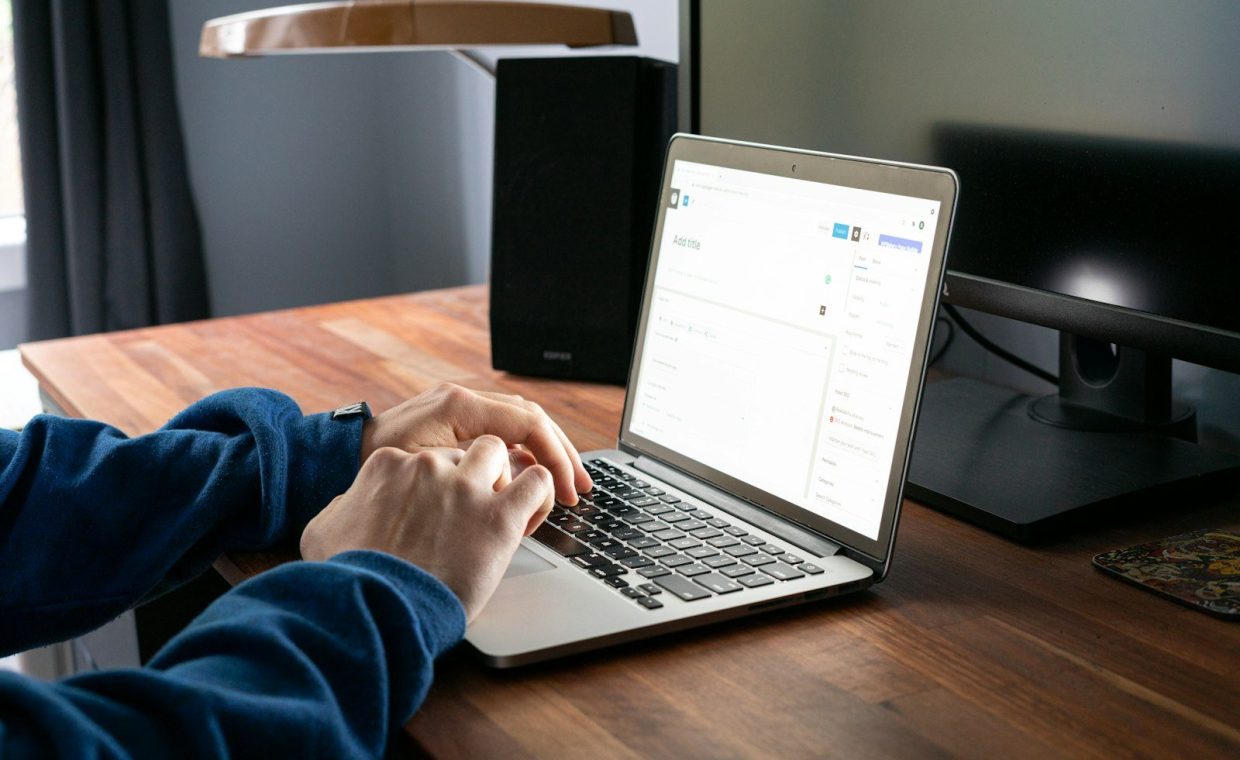
Before the lecture even starts, decide where your notes live. Split your screen so the video sits on one side and your notes on the other. If you are on a single laptop, that might mean the video at the top and a document at the bottom.
The reason is simple. If you have to tab away to write something, you will miss the next sentence, then rewind, then lose your place. Keeping both visible at once removes that friction.
Put the video window and your notes side by side, mute notifications, and have a glass of water nearby. Three small things, but they stop the most common reasons people keep hitting pause.
Write the title, the date, and the topic at the top of your page first. It feels trivial, but future-you, the one searching through twelve documents the night before an exam, will be grateful.
Stop transcribing and start summarizing
Here is the mistake I made for two full semesters. I tried to write down almost everything the professor said, word for word. That is transcription, not note-taking, and it is the reason I remembered nothing.
When you copy words directly, your brain treats it like typing practice. Nothing gets processed. The fix is to wait one beat, hear the full idea, then write it in your own words.
Yes, this means you will write less. That is the point. A note that says "demand drops when price rises, but not for things people need like insulin" is worth ten lines of verbatim quotes. Putting ideas into your own language is one of the most reliable ways to improve memory for studying, because you are forcing your brain to understand before it records.
Use a structure that fits the rewind button
Remote learning has one feature live lectures do not: you can mark exactly where something happened. Use that. When you note an important point, jot the timestamp next to it.
So instead of "rewatch the part about confidence intervals," you write "confidence intervals 34:10." Now your notes double as a map back to the video. You stop rewinding blindly through twenty minutes looking for one sentence.
I like a simple three-column shape on the page. It keeps me honest and stops me from drifting into transcription mode.
| Timestamp | Main idea (my words) | Question or gap |
|---|---|---|
| 12:40 | GDP counts final goods only, not parts | What about used cars? |
| 28:05 | Inflation eats savings if interest is lower | Need an example |
| 41:30 | Fiscal vs monetary policy, different tools | Who controls which? |
The third column is the secret. Every time you are confused, you write the question instead of pausing immediately. Then you keep watching, because the next sentence often answers it. You only rewind for the questions that are still open at the end.
Build in pauses on purpose, not in panic
There is a difference between pausing because you are lost and pausing because you planned to. The first kind is reactive and exhausting. The second kind actually works.
Try pausing at natural breaks, the end of a section or a slide change, and spend ten seconds writing a one-line summary of what you just heard. Not while it plays. After. This tiny recap is where the learning settles.
At each section break, close your eyes and try to say the main point out loud. If you cannot, that is your cue to rewind. If you can, write it down and keep going. You are testing yourself in real time.
This habit also keeps you present. Long videos make it dangerously easy to zone out while the audio keeps rolling. Planned pauses break the trance. If staying engaged is your bigger struggle, it is worth working on how to stay focused while studying alongside your note-taking, because the two problems feed each other.
Review within 24 hours, not the night before
Notes you never reopen are just a diary of your confusion. The single highest-value thing you can do is revisit them within a day, while the video is still fresh enough to fill gaps from memory.
This review does not need to be long. Ten minutes is plenty. Read through, finish any half-sentences, and answer the questions in your third column. If a question is still unanswered, that is exactly what your timestamp is for.
Same day: clean up and fill gaps (10 minutes). End of week: reread and turn the messy notes into a tidy one-page summary per topic. That weekly summary becomes your real study sheet.
I know "review the same day" sounds like advice from someone with infinite free time. Most of us are juggling a job, a commute, maybe a family. But ten minutes after dinner beats two frantic hours at midnight, and your future self gets the weekend back.
Match your method to the kind of video
Not every video deserves the same effort, and pretending otherwise burns you out. A dense recorded lecture for your major is worth the full three-column treatment. A supplementary YouTube explainer might just need three bullet takeaways.
Be honest about what each video is for. If it is core material in a field you are building a career around, slow down and do it properly. Students chasing some of the best college majors for job prospects often have heavy technical lectures where one missed concept breaks the next three, so those genuinely earn careful notes.
For lighter content, give yourself permission to take loose notes and move on. Saving your energy for the videos that matter is a skill in itself.
Watching at 2x feels productive, but if you are pausing every thirty seconds to catch up, you are not saving time. Drop to 1.25x. Smooth notes beat fast, frantic ones every time.
Keep one home for everything
The last habit is dull and saves you more stress than all the others combined: keep your notes in one consistent place with consistent names. One folder, one app, one naming pattern like "Course - Week 4 - Topic."
Scattered notes across three apps and a notebook you cannot find are the same as no notes at all. Pick a system you can actually stick with, even a plain document folder, over a beautiful one you abandon in two weeks.
Split your screen first. Summarize in your own words, never transcribe. Log timestamps and questions. Pause on purpose at section breaks. Review within a day. Match effort to the video. Keep everything in one named home. None of it is hard, but doing it consistently is what turns watching into learning.
Frequently asked questions
Should I take notes by hand or type them?
Both work, so choose what lets you keep up without transcribing. Handwriting forces you to summarize because you physically cannot write everything, which helps memory. Typing is faster and searchable, which is great for timestamps and dense material. If you type, the real risk is copying word for word, so stay disciplined about using your own words.
What if the lecture moves too fast to note anything?
Use the pause and rewind, but with a plan. Watch a full section first without writing, then pause and summarize the whole chunk in two or three lines. You will capture the structure instead of scrambling for every sentence. For genuinely hard material, one careful watch with good notes beats two passive rewatches.
Is it worth re-taking notes from a messy first version?
For your important courses, yes, but keep it short. Rewriting messy notes into a clean one-page summary at the end of each week forces you to decide what actually mattered. That act of condensing is studying, not busywork. For lighter videos, do not bother. Save that effort for the classes that count.
Start with just one of these on your next video, probably the screen split or the question column, and add the rest as they stick. You do not need a perfect system on day one. You need notes you will actually reopen, and a little more faith that the work you are putting in is going somewhere. It is. Go press play.