

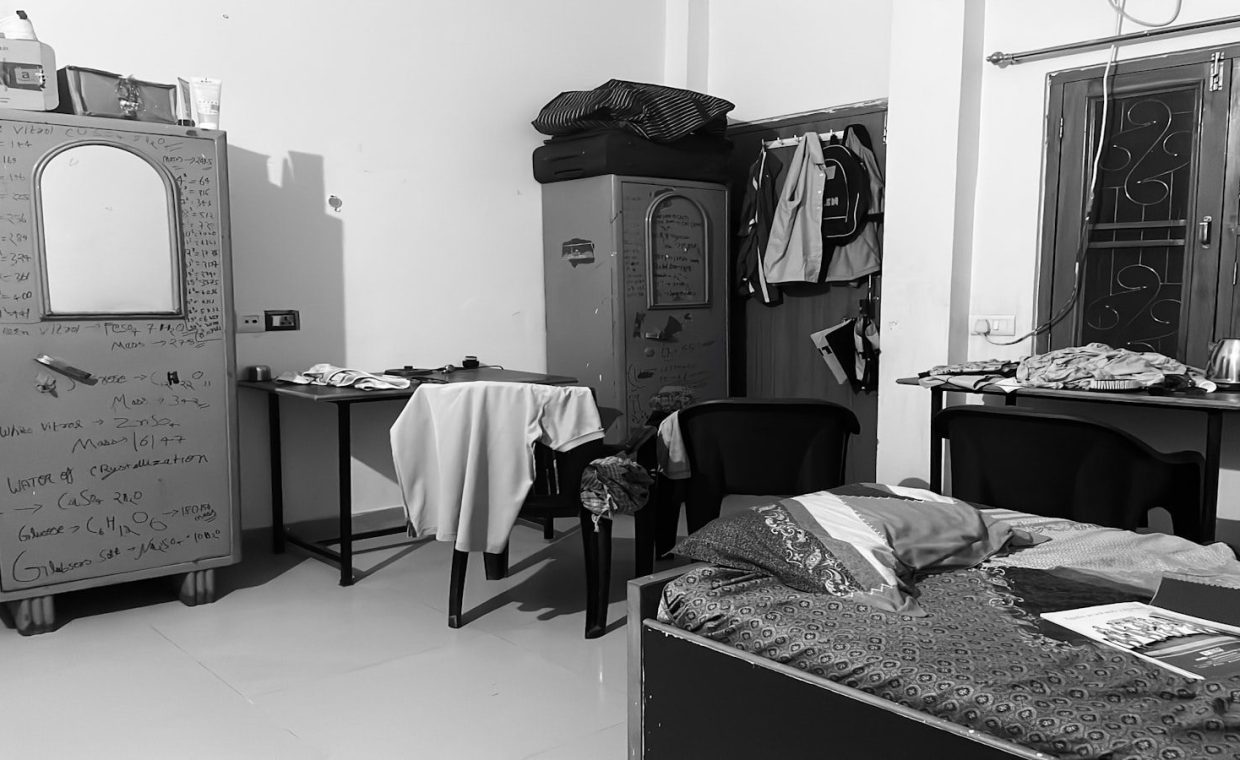
The day my friend Priya moved into her dorm, she sat on a bare mattress at 4 p.m. surrounded by half-unpacked boxes and quietly cried. Her parents had just driven away. The hallway smelled like industrial cleaner and someone's microwave popcorn, and she suddenly could not remember why she had wanted to go away to school at all.
By October she was the one helping a homesick roommate find the counseling center. Nothing magical happened in between. She just learned a handful of small, repeatable habits that made a big building full of strangers start to feel like a place she belonged.
That is what the first year really asks of you. Not bravery, exactly, but a willingness to do a few ordinary things on purpose. Here is the plan I wish someone had handed Priya on that mattress.
Treat move-in week as setup, not performance
The first week feels like everyone has already found their people and you are behind. They have not. Most of those loud, confident groups are made of strangers who met two days ago and are equally nervous.
So lower the stakes. Your only job that first week is to build a working base, not to make lifelong friends by Friday.
Unpack fully, even the stuff you are tempted to leave in boxes. A made bed and a cleared desk do something real for a rattled brain.
Walk your daily route before classes start. Find your lecture buildings, the dining hall, the library, and one quiet spot you like. Knowing where things are removes a surprising amount of low-grade panic.
Build a weekly rhythm before the chaos arrives
Independence sounds thrilling until you realize no one will tell you to sleep, eat, or start the reading. Freedom without a structure is just a slow drift into 2 a.m. regret.
In your first weekend, block out a simple weekly skeleton. Classes go in first, then fixed meals, then a standing study window, then one thing that is purely fun.
Aim for roughly a 1:2 ratio of class time to study time. For a typical load, that lands around 20 hours of studying a week, spread out so no single night feels brutal.
Protect sleep like it is a graded assignment, because it quietly affects every other one. The students who burn out by midterms are almost always the ones who treated rest as optional.
Make homesickness smaller instead of hiding it
Homesickness is not a sign you chose wrong. It is your brain doing exactly what it should when familiar people and places disappear at once. Naming it that way takes away a lot of its sting.
The trick is to shrink it with routine, not drown it with constant calls home. Pick one or two set times a week to talk with family, and then let yourself be present the rest of the time.
Bring small anchors from home into your new space. A photo, a familiar mug, the playlist you grew up on. These tiny signals tell your nervous system that you are safe here too.
Missing home means you have something good to miss. The goal is not to stop loving where you came from. It is to slowly build a second place that also feels like yours.
Find your people on purpose
Friendships in your first year rarely fall from the sky. They grow out of repeated, low-pressure contact, which is why clubs and study groups work so well. You see the same faces enough times that hello turns into something real.
Say yes to more than feels natural for the first month. Join two or three clubs, sit with someone new at dinner, prop your door open during the day.
Then narrow down. By week six you will know which spaces feel like yours, and you can let the rest go without guilt.
Easy ways to start a conversation
- Ask a classmate what they thought of the reading, then actually listen.
- Offer to swap notes after a confusing lecture.
- Invite your floor to a casual dining hall run. Low stakes, easy yes.
Learn how to actually study at this level
The methods that carried you through high school often crumble in a 200-person lecture. Highlighting and rereading feel productive, but they mostly build false confidence.
What works is making your brain retrieve the information instead of just recognizing it. Quiz yourself, explain ideas out loud, and space your review across days rather than cramming the night before.
If memorizing names, dates, or formulas is your weak spot, it is worth learning a few deliberate techniques. These practical memory tips for studying can turn a draining all-nighter into a calmer, shorter session that actually sticks.
Skipping the small ungraded assignments to focus on big exams. Those small tasks are where the real learning happens, and the grade often weights them more than you expect. Read the syllabus in week one and mark every due date.
Get your money and your future plans on the radar early
Campus life comes with a steady drip of small costs, from late-night food to club fees to that textbook you swore was optional. Track your spending for two weeks just to see where it actually goes. Awareness alone tends to fix half the leaks.
Money stress is real, but a lot of it is avoidable with a little legwork. There is more aid available than most first-years realize, including plenty of smaller scholarships students routinely overlook because they assume they will not qualify or never bother to apply.
You do not need your whole future mapped out yet. Still, it helps to know that the big choice between graduate school and working first is shaped by habits you build now, like keeping your grades steady and getting to know a professor or two. Future you will be grateful for a calm head start.
Know your support net before you need it
Every campus has more help than students use, partly because no one shows you the map. Find these places early, while you are calm, so they are familiar when something goes sideways.
| If you feel... | Where to go | What it helps with |
|---|---|---|
| Overwhelmed or low | Counseling center | Free, confidential talks and stress tools |
| Lost in a class | Tutoring or writing center | Free help with assignments and study skills |
| Unsure about classes | Academic advisor | Schedules, majors, and degree planning |
| Worried about money | Financial aid office | Aid, grants, and emergency funds |
Asking for help is not a confession of failure. The students who thrive are usually the ones who learned to raise a hand early, before a small problem grew teeth.
Set up your space and routine in week one. Shrink homesickness with anchors and steady contact. Find people through repeated low-pressure contact. Study by retrieving, not rereading. Watch your money. Locate your support net before you need it.
How long does homesickness usually last?
For most students the sharpest feelings ease within the first few weeks, once routines and friendships start to form. If it deepens instead, or starts blocking sleep, eating, or class, that is a clear signal to visit the counseling center. They talk with nervous first-years constantly, and one session can help a lot.
What if I do not click with my roommate?
You do not need to be best friends with your roommate, only respectful housemates. Agree early on basics like quiet hours, guests, and shared cleaning, and write it down so it is clear. If real conflict shows up, your resident assistant is trained to mediate, so loop them in before resentment builds.
Is it normal to want to transfer or quit after a month?
Very normal, and rarely a reason to act fast. The first month is the hardest stretch for almost everyone, and big decisions made in that fog tend to look different by November. Give it a full semester, lean on your support net, and revisit the question once you can see clearly.
None of this requires you to suddenly become a different, braver person. It just asks you to do a few small, kind things for yourself on a regular schedule. Start with one step this week, then add another. By the time spring rolls around, that intimidating campus will quietly have turned into your campus, and you will be the calm one helping the next nervous student find their feet.