
Marisol kept a shoebox of college brochures under her bed. By junior year it held maybe forty glossy folders, each one a place she had never visited and could not have named on a map two years earlier. Her parents, who had never finished high school in their home country, looked at the box the way you might look at a foreign passport: proud, hopeful, and unsure what any of it actually meant.
That was the real obstacle. Not her grades, which were solid, and not her drive, which was almost too much. It was that nobody in her house had walked this road before, so every step felt like guessing in the dark.
Her story is not unusual, and it is not magic. It is a sequence of small, learnable moves that any first-generation student can copy. Here is how she got from that shoebox to an acceptance letter with a near-full scholarship.
Starting From Zero Knowledge, Not Zero Ability
The first thing Marisol had to accept was uncomfortable: she did not know what she did not know. She thought a "good college" meant the most famous name, and she thought financial aid was a single form you filled out in the spring.
Both assumptions were wrong, and untangling them took her about a month of asking questions. She started treating the process like a class she was failing and needed to study for.
First-generation students often carry shame about asking "basic" questions. Marisol flipped this. She decided that every question she asked was one her future self would thank her for, and she asked roughly ten per week of anyone who would answer.
She made a simple rule. When a word confused her (early action, demonstrated interest, need-blind), she wrote it down and looked it up that night. Within a few weeks the vocabulary stopped feeling like a wall.
Finding an Advisor Who Actually Had Time
Her school counselor managed around 400 students, so fifteen rushed minutes was the most Marisol could expect. That was not enough, and she knew it.
So she built her own advising team out of people who were already nearby. This is the move I wish every first-gen student knew about, because it costs nothing.
- A former graduate of her high school, two years ahead, who answered texts about dorm life and applications.
- A college access nonprofit in her city that offered free essay review on Saturday mornings.
- An English teacher who agreed to read drafts if Marisol brought them in early, not the night before.
None of these people were official advisors. Together, though, they gave her something a single overworked counselor never could: steady attention across the whole year.
Aim for three people who each cover one thing well: logistics and deadlines, essay feedback, and emotional steadiness. You do not need experts. You need humans who will reply.
The Grade Question She Worried About Most
Marisol's GPA sat around 3.4 at the end of sophomore year, which she was convinced disqualified her from anywhere good. It did not, but she also did not leave it alone.
She targeted two subjects where a little structured effort could move the needle, and she leaned on quiet, consistent review rather than panic. Her approach looked a lot like the one I wrote about in how a student raised a GPA through self study, built on short daily sessions instead of weekend cram marathons.
By the end of junior year her GPA had climbed to roughly 3.7. The number mattered less than the story it told admissions readers: an upward trend, which colleges read as proof of grit.
Writing an Essay That Sounded Like a Person
The essay nearly broke her. Her first draft was a list of accomplishments dressed up in big words, the kind of thing that reads like a cover letter written by a robot.
The Saturday nonprofit volunteer read it and asked one question: "Where are you in this?" Marisol did not have an answer, so she started over.
Her second draft told a smaller, truer story. She wrote about translating for her mother at the bank, the specific feeling of being eleven years old and responsible for adult words she barely understood. It was concrete, it was hers, and it did not ask for pity.
Many first-gen students think the essay must be a tragedy contest. Admissions readers see hundreds of these. A small, specific, honest moment almost always beats a grand story of hardship told in vague terms.
She revised it seven times over six weeks. Not because draft one was bad, but because each pass made the voice a little more like the way she actually talked.
Decoding Financial Aid Before It Decoded Her
This is where many first-generation families quietly give up. The sticker price of Marisol's dream school was around 62,000 dollars a year, a number that made her father go silent at the kitchen table.
What he did not know, and what she learned in time, is that sticker price is rarely what families like hers actually pay. The published cost and the real cost are two very different things.
The forms that freed up the money
She completed the FAFSA the week it opened in the fall, not in the spring. Schools often distribute some aid on a first-come basis, so timing was real money.
Several of her schools also required a second form, the CSS Profile, which digs deeper into family finances. She gathered tax documents early so neither form became a last-minute scramble.
| What she expected | What actually happened |
|---|---|
| Pay full sticker price near 62,000 dollars | Net cost dropped to roughly 6,000 dollars after aid |
| One financial form in spring | FAFSA plus CSS Profile, filed early in fall |
| Loans were the only option | Most of the package was grants she never repays |
The acceptance came with an institutional grant that covered the bulk of tuition because the school met a large share of demonstrated need. Her family's net cost landed near 6,000 dollars a year, a figure they could plan around.
Comparing Her Real Options, Not the Fantasy Ones
Marisol got into four schools. The dream university was one, but she made herself compare offers honestly rather than chasing the prettiest name.
She weighed cost, distance from home, and the support each campus offered first-gen students. One nearby state school was almost free, which mattered, and she briefly considered whether starting there and moving later made sense, the path described in how to transfer colleges smoothly.
She also looked into whether a flexible format might fit her family's situation, reading up on the tradeoffs in choosing between an online degree and an on-campus degree. In the end the residential program won, mostly because of the strong first-gen mentoring office she had quietly researched.
The dream school is reachable, but the path is built from ordinary parts.
- Treat unfamiliar words as homework, not as proof you do not belong.
- Build a small board of advisors instead of waiting on one busy counselor.
- Show an upward grade trend; readers value direction over a perfect start.
- Write one small, true story rather than a grand hardship essay.
- File the FAFSA the week it opens and gather tax documents early.
- Compare real net costs, not sticker prices or famous names.
Do first-generation students get into selective colleges with average grades?
Yes, this happens often. A solid upward trend, a genuine essay, and clear context about your background can matter as much as a flawless transcript. Marisol applied with a GPA around 3.7 and a story of steady improvement, and that combination spoke louder than the early stumbles.
Is the published cost of a college the amount my family will actually pay?
Usually not. Sticker price and net price are different numbers. After filing the FAFSA and any required CSS Profile, many families receive grants that bring the real cost far below the headline figure, sometimes by tens of thousands of dollars per year.
Who can help if my school counselor is too busy to advise me closely?
Build a small team from people around you: a recent graduate, a willing teacher, and a local college access nonprofit. Free essay review sessions and mentoring programs exist in most cities, and together these people can give you the steady guidance one overstretched counselor cannot.
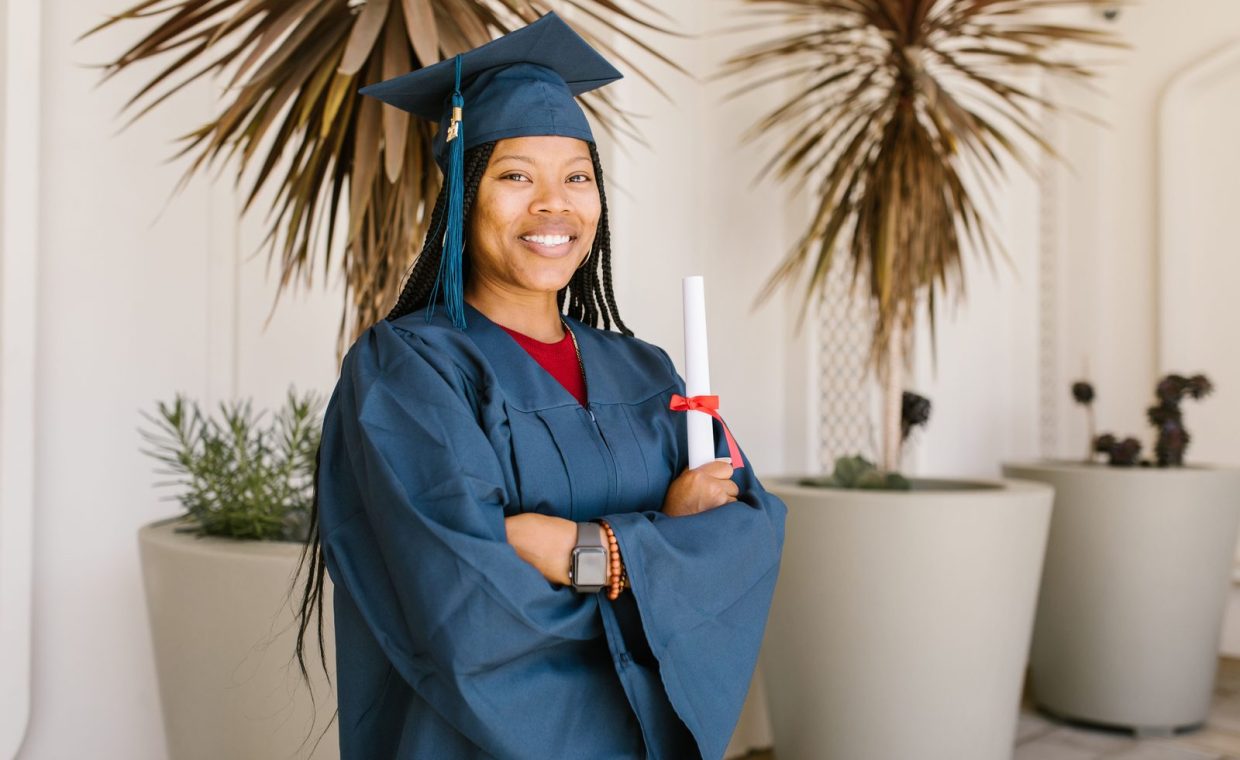
Marisol's box of brochures eventually narrowed down to one envelope on the fridge. She did not get there because she was extraordinary, but because she broke an overwhelming process into small, repeatable steps and asked for help out loud. If you are the first in your family to try this, take heart: you are not behind, you are simply learning a road no one mapped for you, and that map is absolutely learnable.