

A friend of mine, Priya, spent eleven years as a primary school teacher before deciding she wanted out of the classroom. No degree in marketing, no agency contacts, no fancy tools. She had a laptop, a kitchen table, and roughly an hour a night after her kids fell asleep.
Eight months later she landed a junior content role at a small software company. When I asked her what got her the interview, she did not say "passion" or "creativity." She pulled up a folder of things she had built: a blog she ran, a spreadsheet of email open rates, a few ads she had tested with twenty dollars of her own money.
That is the honest version of how this works. Marketing is one of the few fields where you can practice the real work at home, for free or close to it, and show proof. Below are nine skills worth your evenings, roughly in the order I would tackle them.
1. Writing That People Actually Finish
Before tactics, before tools, there is writing. Almost every marketing job leans on it: emails, ad copy, landing pages, social posts, product descriptions. If you can hold a reader's attention and get them to do one small thing, you are already useful.
The skill is not flowery prose. It is clarity. Short sentences. A clear ask. Cutting the third adjective. The fastest way to improve is to write a lot and read it aloud, which exposes every clunky line.
Rewrite a product description from a brand you like, then cut it by 30 percent without losing meaning. Do this ten times and your editing instinct sharpens fast.
2. Search Engine Optimization (SEO) Basics
SEO sounds technical, and parts of it are, but the entry point is approachable. You are learning how people search, what words they use, and how to write pages that answer those searches clearly.
Start with keyword research using free tools, then practice writing a single article aimed at one specific search phrase. Pay attention to titles, headings, and whether the page genuinely answers the question someone typed.
This is a slow-feedback skill. A page might take weeks to rank, so it tests your patience more than your talent. Most beginners quit here because nothing happens overnight, which is exactly why the people who stick with it stand out.
3. Social Media Content and Strategy
Posting on your own account is not the same as managing a brand, and hiring managers know the difference. The skill they want is strategy: who is the audience, what is the goal, why this post on this platform.
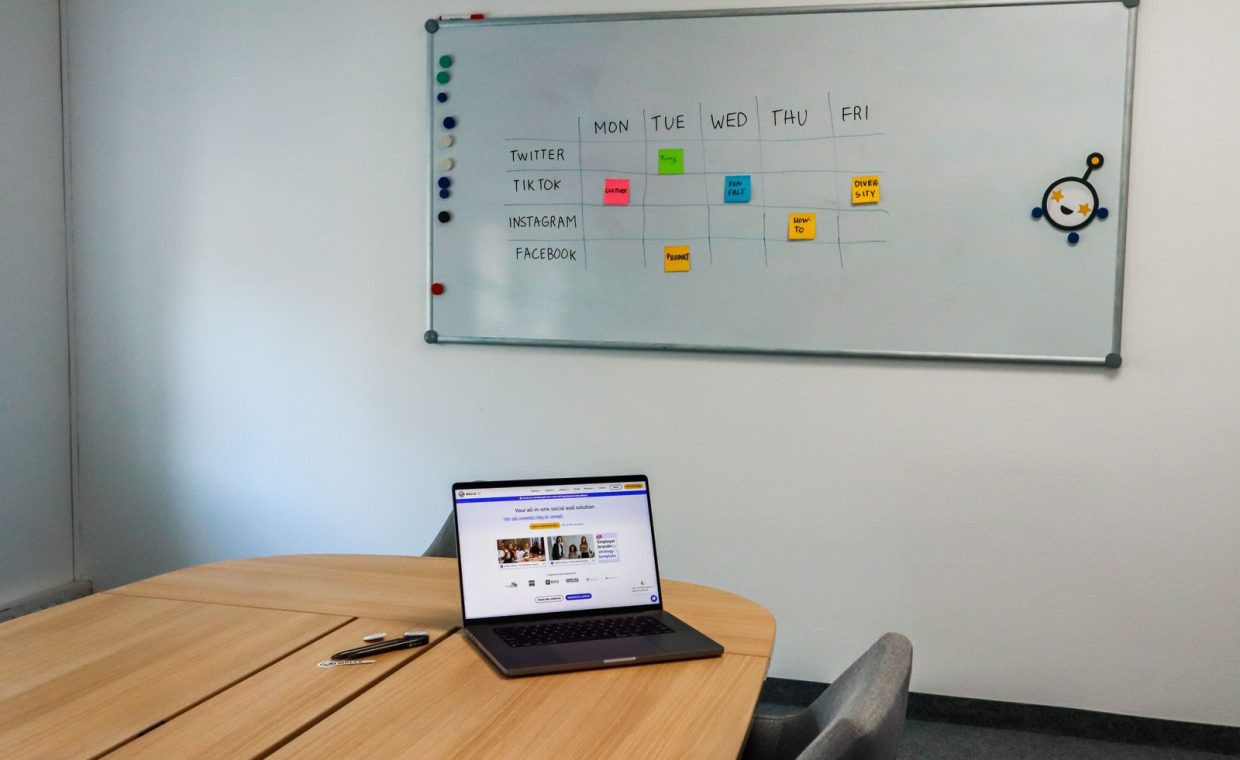
Pick one platform and run a small experiment for a month. Plan a content calendar, post consistently, and track what gets saved or shared versus what gets ignored. The numbers will teach you more than any course.
Going viral is not a skill you can reliably learn. Consistency, clear messaging, and reading your analytics are. Focus your home practice on the parts you can actually control.
4. Email Marketing
Email is unglamorous and quietly one of the most valuable things you can know. Companies own their email lists in a way they never own social followers, so the people who can write and manage campaigns stay in demand.
Most free email platforms let you build a list and send to a small number of contacts at no cost. Set one up, write a short welcome sequence, and ask a few friends to subscribe so you can watch real open and click rates.
The thing to internalize is that email is a relationship, not a megaphone. Learn the difference between a message people want and one they delete, and you have a skill that travels across every industry.
5. Reading Analytics and Making Sense of Data
You do not need to be a statistician. You do need to be comfortable looking at a dashboard, finding the two or three numbers that matter, and explaining what they mean in plain language.
Free web analytics tools have demo accounts loaded with real-looking data. Spend a few sessions just clicking around, asking yourself simple questions: where did visitors come from, what did they do, where did they leave.
This is where the analytical and the creative sides of marketing meet, and it is one of the clearest examples of the difference between soft skills and hard skills. Knowing the tool is the hard skill. Explaining the story behind the numbers to a nervous manager is the soft one, and both get you hired.
6. Basic Paid Advertising
You can read about ads forever, but the lesson lands when your own money is on the line. Even a tiny budget, the cost of a couple of coffees, changes how carefully you write a headline and choose an audience.
Run one small campaign for a personal project or a friend's small business. Watch what the cost per click does when you change the image, the text, the targeting. The feedback loop here is fast, which makes it satisfying after the slow grind of SEO.
Decide your total spend before you start and never go past it while learning. The goal is the lesson, not the leads. Plenty of beginners get carried away chasing results and burn cash they meant to keep.
7. A Little Design and Basic Video
You are not becoming a designer. You are learning to make something look acceptable without waiting on one. Free drag-and-drop tools have made simple graphics and short videos genuinely doable for non-artists.
Practice by recreating ads or social graphics you admire. Match the spacing, the contrast, the hierarchy of what your eye notices first. Editing a thirty-second video with captions is another small skill that punches above its weight on a resume.
8. Marketing Tools and a Bit of Automation
Every team uses tools: a CRM, a scheduler, an email platform, maybe a project board. Showing up already familiar with the common ones removes a lot of friction from your first weeks on a job.
Many of these offer free tiers or trials. Set up a fake project and run it end to end. Connecting two tools so an action in one triggers something in the other is basic automation, and it makes you look far more capable than the effort it actually requires.
Do not try to learn every tool. Learn the categories, because the logic transfers. Once you understand what a CRM is for, switching from one brand to another takes an afternoon.
9. Project Habits and Self-Management
The least flashy skill on the list might matter most. Marketing work is a constant juggle of deadlines, small tasks, and half-finished campaigns. Being someone who finishes things is rarer than you would hope.
Build the habit at home by running your learning like a project. Set a weekly goal, track what you ship, and review what worked on Fridays. Priya kept a one-page log of every experiment she ran, and that log became her interview portfolio.
Pick writing plus one channel skill (SEO, email, or social), then add analytics so you can measure it. Three skills, practiced on one real project, beat nine skills you only read about.
Picking what to study without wasting weeks
There are thousands of free and paid options, and the choice paralyzes a lot of beginners. A short, honest read on how to choose the right online course will save you from collecting half-watched video lessons you never apply.
My rule is simple. Choose a course that forces you to build and submit something. Watching is not learning. Shipping is.
Do you need a certificate?
People ask me this constantly, usually hoping a badge will replace a portfolio. It will not, though it can help you get past a first filter. If you are weighing it up, it is worth reading whether employers care about certifications before you spend money on one.
For an entry role, a folder of real work beats a certificate every time. For a career switcher with no marketing history, a respected certificate plus that folder is a reasonable combination.
How long before I am job ready?
If you practice consistently, roughly four to six months of focused evenings can get you to a junior-level portfolio. The exact time depends less on talent and more on whether you actually build and finish projects rather than only watching lessons.
Do I need to learn coding for digital marketing?
No, not for most beginner roles. A comfort with copy-pasting a tracking snippet and understanding basic terms is plenty to start. Coding becomes useful later if you specialize in technical SEO or analytics, but it is not an entry requirement.
Which skill should I learn first if I can only pick one?
Writing. It sits underneath almost everything else in marketing, costs nothing to practice, and improves every other skill on this list. Once your writing is solid, layer a measurable channel skill like email or SEO on top.
None of this requires a classroom or a big budget, just a few honest hours a week and the discipline to build instead of only read. Start with one skill this week, finish one small project, and keep the proof. That folder of real work is what turned a teacher at a kitchen table into a hire, and it can do the same for you.