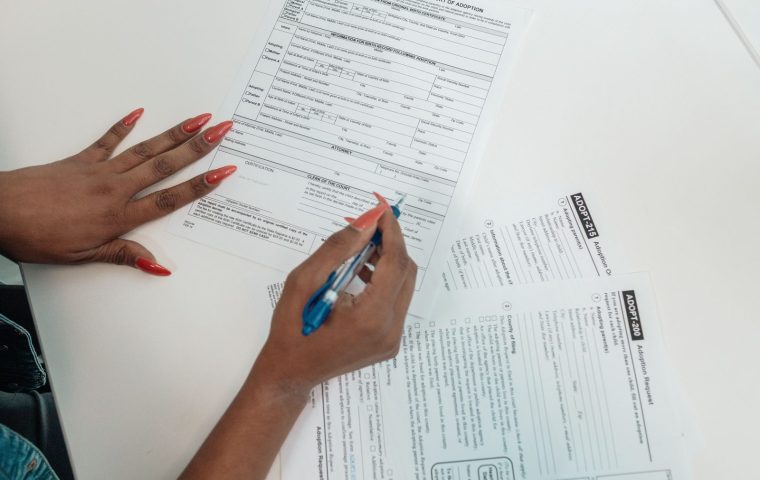


Last spring, a mom named Renata sat at her kitchen table with a stack of financial aid letters and a pen she kept clicking. Her daughter had gotten into her first-choice school. The papers in front of her used words like "disbursement" and "capitalization," and she told me she felt like she was being asked to sign in a language nobody had taught her.
That feeling is incredibly common, and it is not a sign that you are bad with money. Student loan paperwork is genuinely confusing, and the people handing it to you rarely have time to slow down and explain each line.
So let's slow down together. We will go term by term, in plain words, with real examples, so that by the time you sign anything, you actually know what you are agreeing to.
Principal: The Money You Actually Borrow
The principal is the original amount you borrow, before any interest is added. If you take out a loan for 5,000 dollars this semester, that 5,000 is your principal.
Here is a concrete example. Say you borrow 5,000 dollars each year for four years. Your total principal is 20,000 dollars. That is the base figure everything else gets calculated from.
Your principal can grow even if you never borrow another cent. Unpaid interest can get added to it, which is a process we will cover under capitalization. So the number you sign for today is not always the number you eventually repay.
A common myth is that the principal is "the whole loan." It is not. The principal is just the borrowed money. The full cost includes interest stacked on top, which is exactly why two people who borrow the same amount can pay back very different totals.
Interest and the APR: The Price of Borrowing
Interest is what the lender charges you for the use of their money, expressed as a percentage. The interest rate is the headline number. The APR, or annual percentage rate, folds in certain fees too, so it is usually the more honest figure to compare.
Imagine a 10,000 dollar loan at a 6 percent fixed rate. Roughly speaking, that adds around 600 dollars in interest in the first year before you account for any payments. Over a decade of repayment, the interest can add up to several thousand dollars on top of what you borrowed.
Fixed versus variable rates
A fixed rate stays the same for the life of the loan. A variable rate can move up or down based on the broader market, which means your monthly payment can change too.
The myth here is that a lower starting rate is always the better deal. A variable loan might open lower than a fixed one and then climb past it a year later. For families who want predictable payments, a fixed rate is usually the calmer choice.
Federal versus Private Loans
Federal loans come from the government and carry protections that private loans often do not, including income-based repayment options and certain forgiveness programs. Private loans come from banks, credit unions, or online lenders, and the terms vary widely.
A practical example: a student fills out the FAFSA, the federal aid form, and is offered a federal loan with a fixed rate set by law. The same student might also get a private loan offer in the mail at a flashier rate that turns out to be variable and tied to a co-signer.
As a general rule, exhaust your federal options before reaching for private loans. The borrower protections alone are worth a great deal if your income ever wobbles after graduation. This is one of the most consequential choices in the whole process, so do not rush it.
The myth worth dispelling is that all loans are basically the same once you graduate. They are not. Two loans of identical size can offer wildly different safety nets if you lose a job or go back to school.
Subsidized versus Unsubsidized
This distinction trips up almost everyone, so let's make it simple. With a subsidized federal loan, the government pays the interest while you are in school at least half-time. With an unsubsidized loan, interest starts adding up from the day the money is disbursed, even while you are still in class.
Here is the difference in action. Two students each borrow 10,000 dollars freshman year. The one with a subsidized loan owes 10,000 dollars at graduation. The one with an unsubsidized loan owes more, because interest has been quietly building for four years.
| Feature | Subsidized | Unsubsidized |
|---|---|---|
| Who pays interest in school | The government | You |
| Based on financial need | Yes | No |
| Balance at graduation | Same as borrowed | Higher than borrowed |
The myth is that unsubsidized loans are a trap to avoid entirely. They are not bad, they are just more expensive over time. If an unsubsidized loan is what gets you to a degree that pays off, it can still be a sound decision. You simply want to make it with open eyes.
Capitalization and the Grace Period
Capitalization is the moment unpaid interest gets added to your principal. After that, you are paying interest on a bigger number, which is why the term scares lenders less than it should scare you.
An example makes it click. You borrow 20,000 dollars and let 1,500 dollars of interest pile up during school. When that interest capitalizes, your principal becomes 21,500 dollars, and future interest is calculated on the larger figure.
The grace period is the stretch after you leave school, often around six months, before payments are due. It feels like a gift, and it can be, but interest may still be growing in the background on unsubsidized loans.
Do not assume the grace period means "free time." If you can make even small payments during it, you can blunt how much interest capitalizes later. A few payments now can shave real money off the total.
Repayment Plans and Monthly Reality
Repayment is where the abstract numbers become a monthly line item in your budget. The standard federal plan spreads payments over about ten years. Income-driven plans tie your payment to what you earn, which can lower the monthly amount but often stretch the timeline.
Picture a graduate earning a modest starting salary. On a standard plan their payment might feel heavy, while an income-driven plan could bring it down to something manageable, with the trade-off that they pay longer and accrue more interest along the way.
If the whole idea of borrowing makes your stomach tighten, it helps to remember there are ways to cover college costs with fewer loans, from grants and scholarships to work-study and community college transfers. Loans are one tool, not the only one.
Reading the Paperwork Before You Sign
When the documents land in front of you, slow down the way Renata eventually did. Find the principal, the interest rate, whether it is fixed or variable, and whether the loan is subsidized. Those four facts tell you most of what you need.
Then look for the fees and the repayment terms. A loan with a low rate and high origination fees can cost more than a slightly higher rate with no fees, which is why the APR matters more than the headline number.
Treat this paperwork with the same care you would give a big admissions decision. The same families who carefully research the application missteps that cost students offers sometimes sign loan documents in a single afternoon without reading them, and the loan will shape their lives far longer than any essay.
Principal is what you borrow. Interest is the price of borrowing. Federal loans carry protections private ones often lack. Subsidized loans spare you interest in school, unsubsidized ones do not. Capitalization grows your balance, and the repayment plan sets your monthly reality.
One more gentle suggestion. These terms are easier to remember if you revisit them in short bursts rather than cramming them once. The same study technique of spacing out review over days that helps with coursework works just as well for keeping loan vocabulary fresh before a meeting with a financial aid officer.
Should I always borrow the maximum loan amount I am offered?
No. The amount offered is a ceiling, not a recommendation. Borrow only what you genuinely need after grants, scholarships, savings, and work-study, because every dollar you skip is a dollar you do not repay with interest later.
What happens if I cannot make a payment after graduation?
With federal loans you usually have options like income-driven repayment, deferment, or forbearance, though interest may keep growing. The key is to contact your loan servicer before you miss a payment rather than going silent.
Is a co-signer the same as being on the loan myself?
Functionally, yes, for the co-signer. A co-signer is fully responsible if the borrower stops paying, and the loan appears on their credit too. It is a real obligation, not a formality, so everyone involved should understand the stakes before signing.
If you only remember one thing, let it be this: a loan you understand is far less frightening than one you do not. Take the paperwork to a quiet table, read it twice, ask the financial aid office your questions, and give yourself permission to slow down. You are allowed to fully understand something before you put your name on it.